
What you eat affects your teeth every day. Some foods feed the bacteria that cause decay, while others help keep enamel strong, wash food away and support healthy gums. Here is a practical guide to what to include and what to limit.
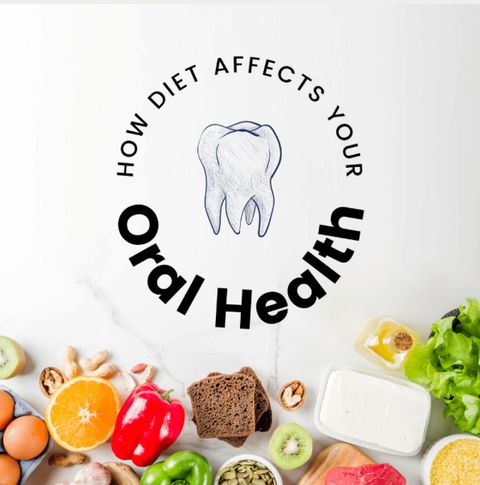
Foods That Help Protect Your Teeth
Dairy and calcium-rich foods
Milk, plain yoghurt and cheese supply calcium and phosphate, which help rebuild enamel. Cheese in particular may help raise saliva and lower acid levels after a meal. Choose unsweetened versions where you can.
Crunchy vegetables and fruit
Carrots, cucumber, celery and apples need chewing, which stimulates saliva. Saliva is one of your teeth's best natural defences, because it neutralises acid and carries minerals back to the enamel.
Leafy greens
Spinach, kale and other leafy greens provide vitamins and minerals that support gum health. They also add fibre without the sugar found in many snacks.
Water
Water is the best everyday drink. Tap water in many areas contains fluoride, which strengthens enamel. Sipping water after meals rinses away food particles and dilutes acid.
Nuts and plain protein
Almonds, walnuts, eggs and plain chicken or fish are low in sugar and provide protein and minerals that support healthy tissue, including gums.
Foods and Drinks to Limit
- Sugary drinks: Soft drinks, sweetened juice and energy drinks feed decay-causing bacteria.
- Sticky sweets: Toffee, dried fruit and sweet biscuits cling to teeth for longer.
- Acidic foods and drinks: Citrus, vinegar-based dressings and fizzy drinks can soften enamel if taken often. Have them with meals and use a straw for fizzy drinks.
- Frequent snacking: Each time you eat sugar, your teeth are under acid attack for around 20 minutes. Fewer, planned snacks are better for teeth than constant grazing.
- Staining foods and drinks: Tea, coffee and red wine can stain teeth over time. Rinse with water afterwards.
Habits That Work With Your Diet
- Chew sugar-free gum after meals if you cannot brush straight away. Gum with xylitol may help increase saliva. It does not replace brushing and flossing.
- Wait before brushing after acidic food. Enamel is softer for a short time afterwards, so wait about 30 minutes.
- Avoid chewing ice or hard sweets. These can crack or chip teeth.
- Keep sweets to mealtimes. Eating them with a meal causes less acid attack than eating them alone.
When to Speak to a Dentist
Diet helps, but it cannot replace professional care. Speak to your dentist if you notice sensitive teeth, enamel that looks thin or yellow, frequent cavities, bleeding gums, or sore spots that do not heal. Your dentist can check whether diet is a factor and suggest what to change.
Book a Dental Check-Up in Wapda Town
Ayesha Dental Care, 29-J3 Bolan Road, Wapda Town Phase 1, Lahore. Evening appointments Monday to Saturday, 5:00 PM to 10:00 PM.
Call 0333 8393999 WhatsApp the clinicFrequently Asked Questions
Which foods are best for teeth?
Milk, plain yoghurt, cheese, crunchy vegetables, fruit and water are generally good choices.
Is sugar-free gum good for teeth?
It can increase saliva after meals, which helps. It does not replace brushing and flossing.
Do acidic foods harm teeth?
Frequent acidic foods and drinks can soften enamel over time. Have them with meals and do not brush straight after.
This article is for general information and does not replace an examination. Back to all blog articles.