Welcome to Ayesha Dental Care Reg#: 7020-D

Blogs

Dr Ayesha Irfan Sethi
September 29, 2026Fixed Teeth or Removable Dentures: Which Is Better?
Losing one or more teeth affects far more than your smile — it changes how you chew, how you speak, and over time, even the shape of your jawbone. When it comes to replacing missing teeth, two of the most common paths are fixed dental restorations (like implants or implant-supported bridges) and removable dentures. Both can restore function and appearance, but they work very differently, and the right choice depends on your specific situation, budget, and long-term goals.
What Are Fixed Teeth?
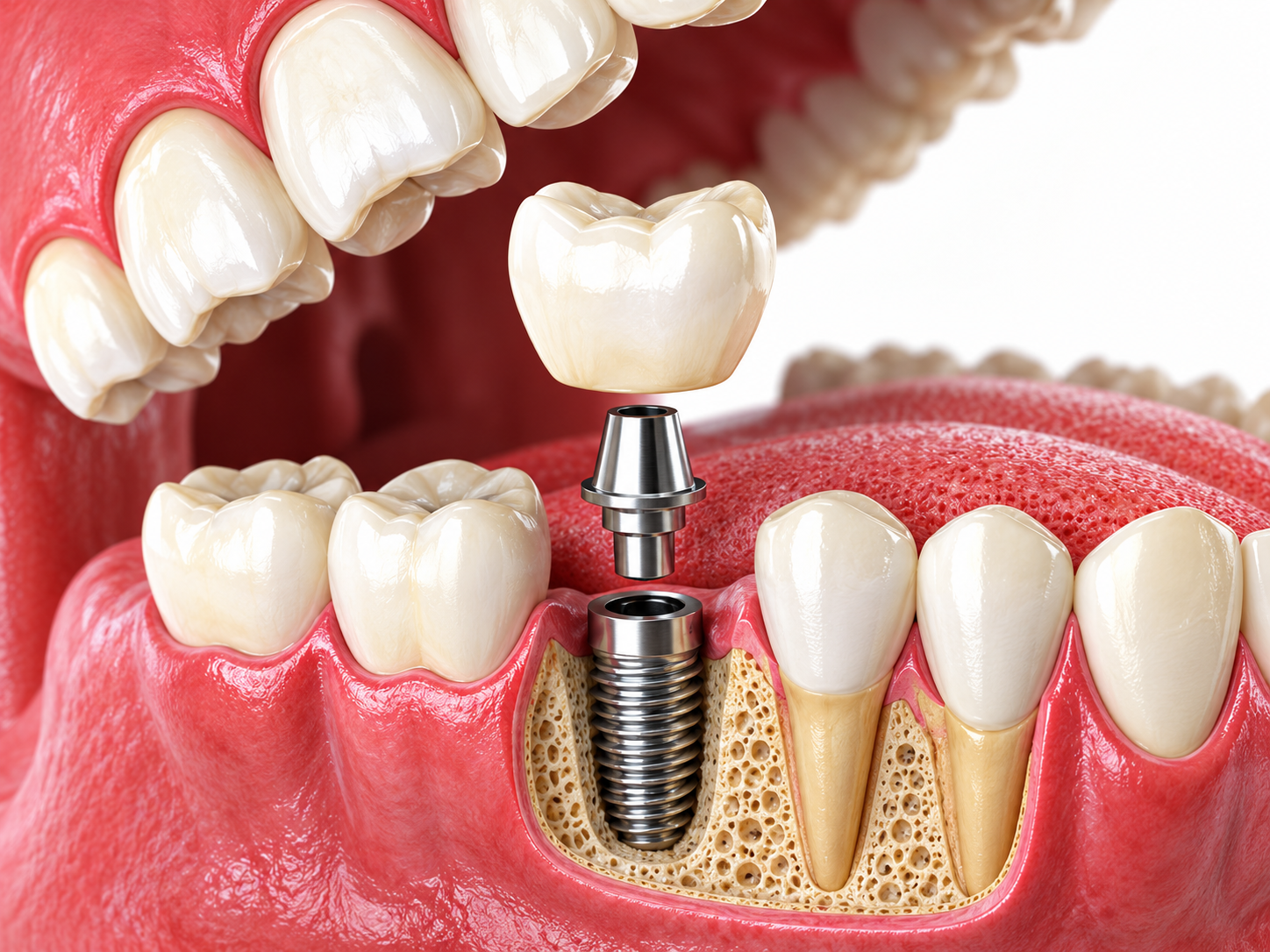
"Fixed teeth" generally refers to restorations that are permanently anchored in the mouth — most commonly dental implants topped with a crown, or an implant-supported bridge for multiple missing teeth. Once placed, these restorations aren't removed for cleaning; they function like natural teeth.
Advantages:
- Look, feel, and function almost exactly like natural teeth
- No slipping, shifting, or clicking while eating or speaking
- Help preserve jawbone density, since the implant post stimulates the bone the way a natural tooth root does
- No need for messy adhesives or nightly removal
- With good care, can last decades
Considerations:
- Higher upfront cost than removable dentures
- Requires a healing period (often several months) for the implant to fuse with the jawbone
- Needs adequate bone density — some patients may require a bone graft first
- Involves a minor surgical procedure
What Are Removable Dentures?
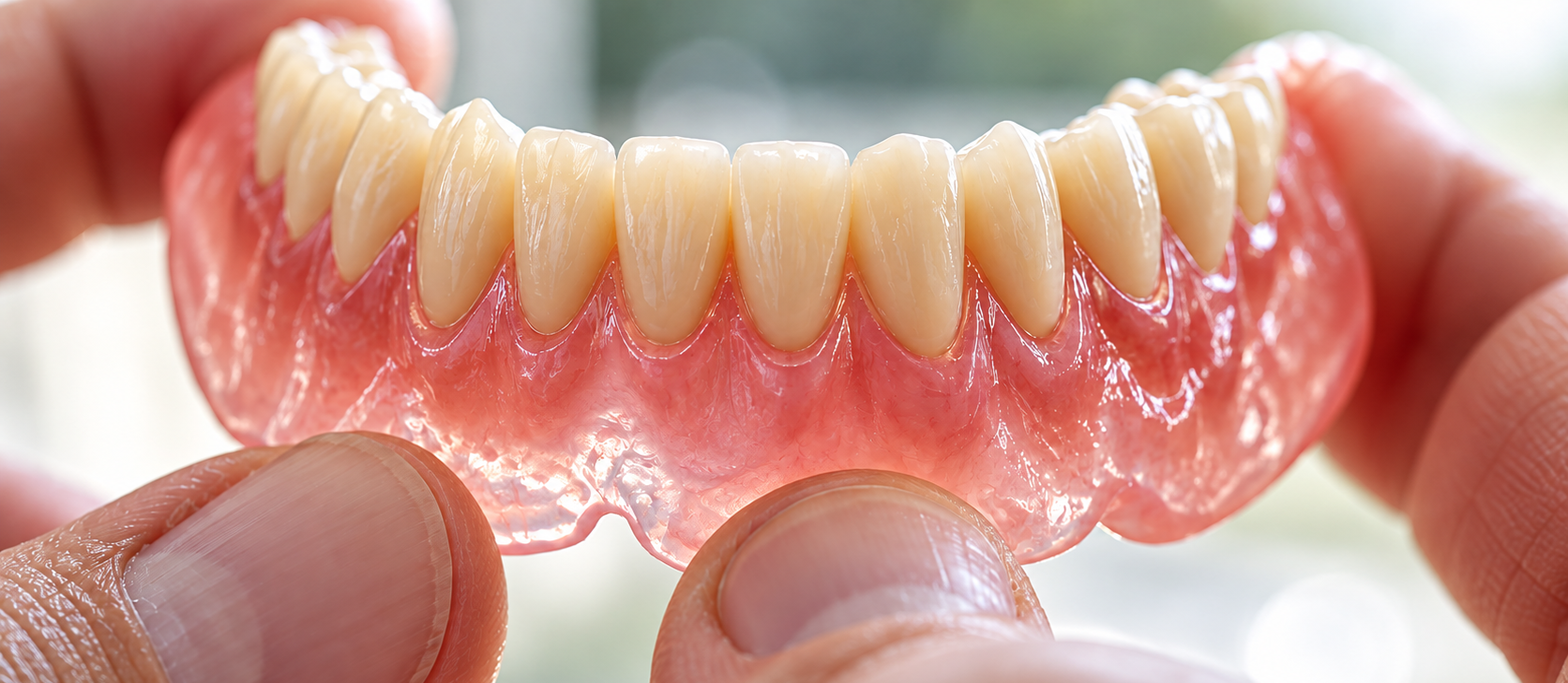
Removable dentures are custom-made appliances — full or partial — that replace missing teeth and can be taken out for cleaning and while sleeping. They rest on the gums and, for lower dentures especially, may also use suction, adhesive, or clasps to stay in place.
Advantages:
- Lower upfront cost, making them accessible to more patients
- Non-surgical — a good option for patients who aren't candidates for implants due to bone loss or health conditions
- Faster to fit compared to the implant healing timeline
- Can replace a full arch of teeth, or just a few, depending on need
Considerations:
- Can shift or feel loose, especially with lower dentures, affecting chewing and speech
- Requires adhesive for some patients to feel secure
- Doesn't stimulate the jawbone, so bone loss can continue over time, sometimes changing the fit of the denture itself
- Needs to be removed and cleaned daily, and typically replaced or relined every several years as your mouth changes shape
Fixed vs. Removable: A Side-by-Side Look
| Comparison | Fixed (Implants) | Removable (Dentures) |
|---|---|---|
| Stability | Permanently anchored | Can shift or loosen |
| Feel | Closest to natural teeth | Noticeably different for many patients |
| Jawbone health | Helps preserve bone | Bone loss may continue |
| Upfront cost | Higher | Lower |
| Procedure | Minor surgery, months of healing | Non-surgical, faster turnaround |
| Maintenance | Brush and floss like natural teeth | Daily removal and cleaning |
| Longevity | Often decades | Typically needs replacement/relining every 5-10 years |
So, Which Is Actually Better?
There's no single answer that fits everyone — the right choice depends on a few key factors:
- Your jawbone health — if significant bone loss has already occurred, dentures (or dentures now with implants added later) may be the more realistic starting point.
- Your budget — dentures are typically more accessible upfront, while implants are a larger investment that tends to pay off in longevity.
- How many teeth you're replacing — a single missing tooth is often best served by a single implant, while a full arch might call for either a full denture or an implant-supported option like All-on-4.
- Your overall health — certain conditions can affect candidacy for implant surgery.
- How much you prioritize a natural feel versus a faster, lower-cost solution.
There's also a middle ground worth knowing about: implant-supported dentures, which snap onto a small number of implants for far more stability than a traditional denture, without the full cost of replacing every tooth individually.
Conclusion
Both fixed restorations and removable dentures can restore a healthy, functional smile — the better option really comes down to your bone health, budget, and lifestyle. The only way to know which is genuinely right for you is a proper evaluation of your jawbone, gum health, and goals.
If you're weighing your options for replacing missing teeth, Dr. Ayesha Irfan Sethi at Ayesha Dental Care in Wapda Town, Lahore can walk you through both paths and help you decide with confidence. Call 0333 8393999 to schedule a consultation


